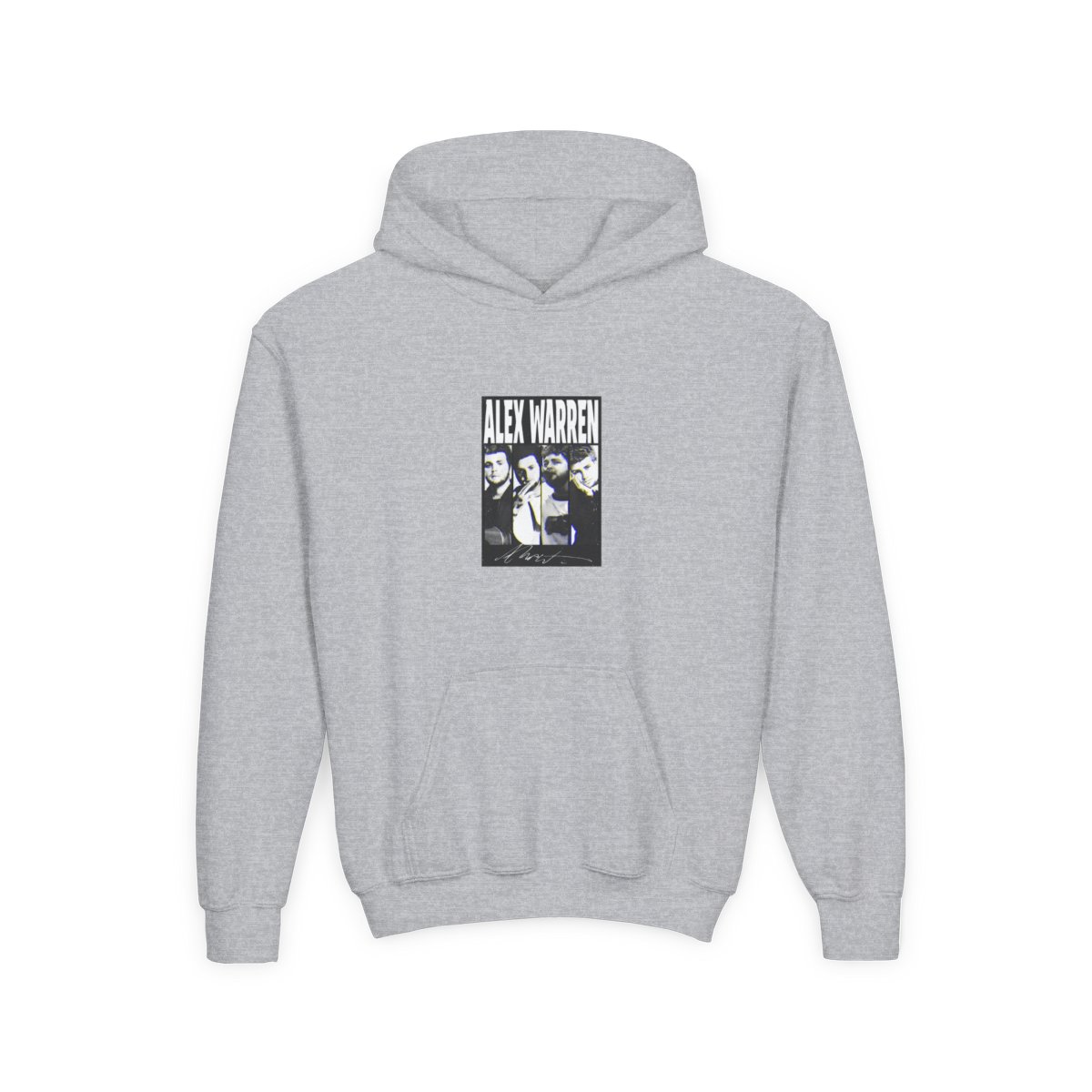
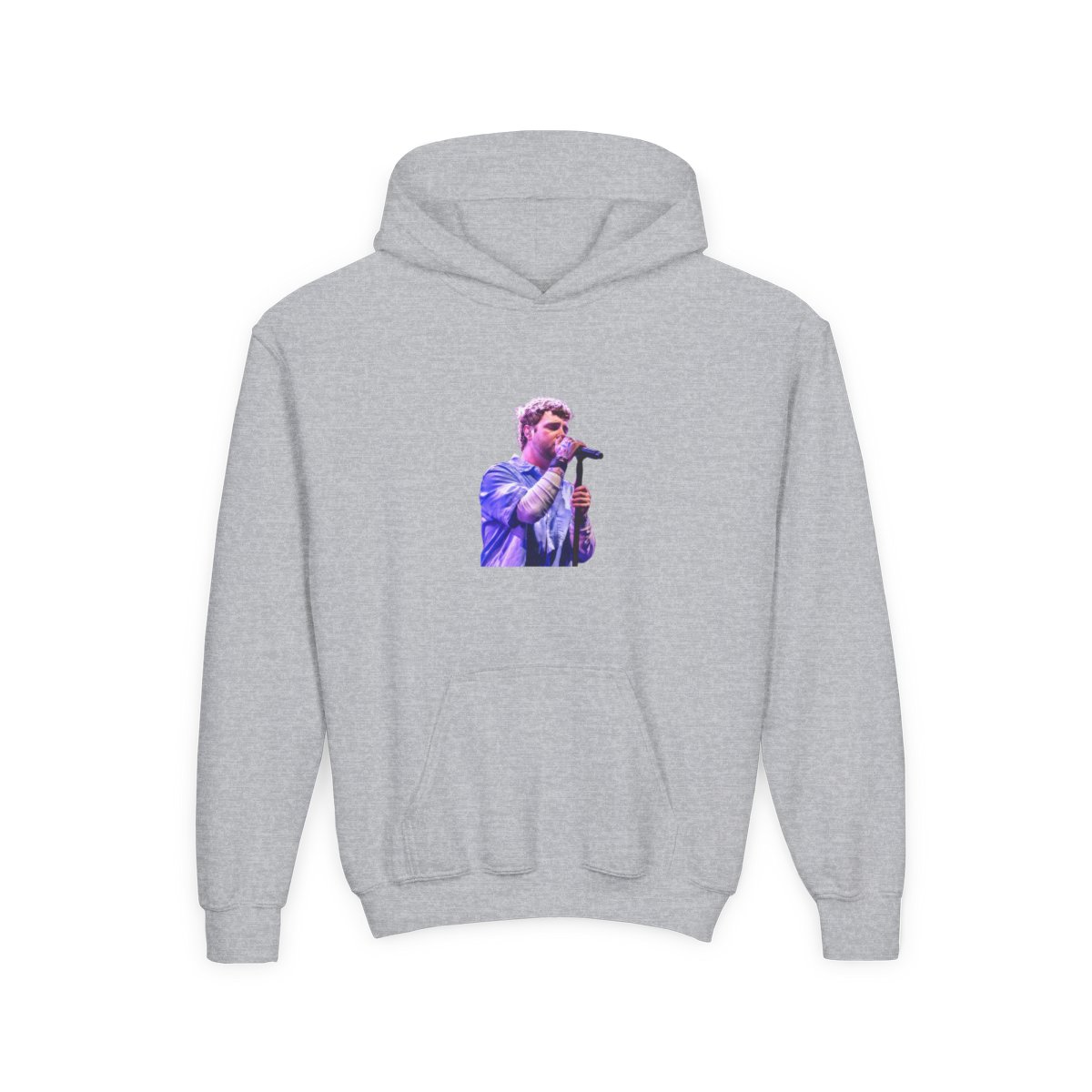
Did you know that 68% of music fans report fading or damage to their concert merch within two years of purchase? That's a lot of worn-out memories, but it doesn't have to be your story. With the right Alex Warren merch display tips, you can keep your collection looking fresh for years. Whether you've scored a limited-edition poster, a cozy hoodie, or a signed CD, proper storage and display are key to preserving both value and sentiment. In this guide, I'll share actionable strategies for framing, folding, cleaning, and rotating your gear based on what I've seen work best for collectors.
| Pick | Best For | Key Feature | Price Range |
|---|---|---|---|
| UV-protective poster frame | Long-term poster display | Blocks 99% of UV rays | $15 - $40 |
| Acid-free tissue paper | Hoodie storage without creases | Prevents yellowing and wrinkles | $5 / pack |
| Floating shelf (12-inch) | Small items like pins and keychains | Clear acrylic or wood | $10 - $25 |
| Hat rack or box | Adjustable caps | Maintains shape and brim | $8 - $30 |
| Vinyl storage box | Record collectors | Keeps sleeves upright and dust-free | $12 - $35 |
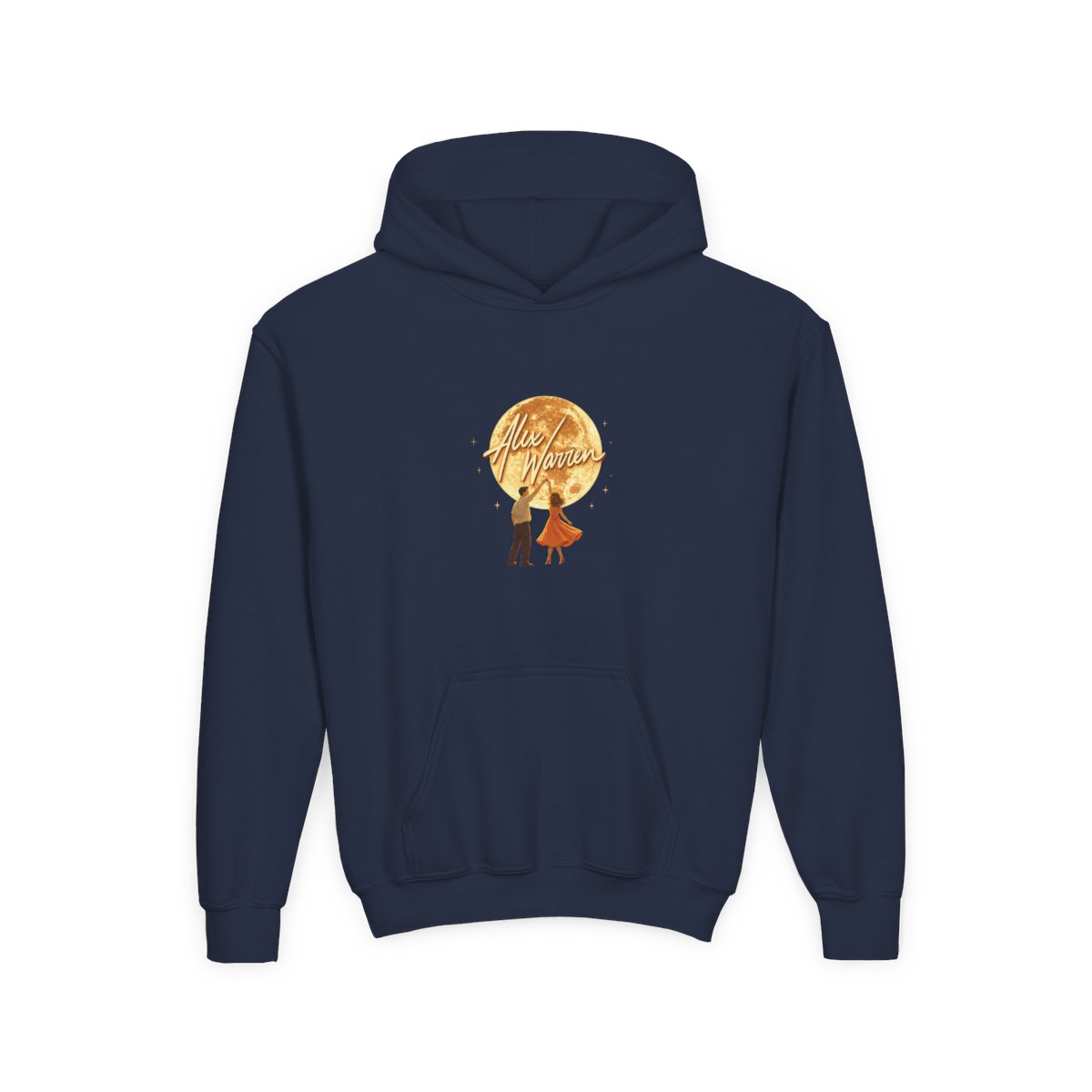
Why Proper Display Matters for Your Collection
Merch is more than just fabric and paper - it's a time capsule from your favorite moments. But improper storage can turn that capsule into a pile of faded, creased, or moldy items. Heat, humidity, and direct sunlight are the biggest enemies. A study by the Smithsonian Institute found that light damage to paper is cumulative and irreversible. So that poster you hung by a sunny window? It's losing color every day.
The Cost of Neglect
Replacing damaged merch isn't always possible. Limited drops like Alex Warren's tour exclusives don't come back. If you ever plan to resell or pass down your collection, condition is everything. Even if you're keeping it for yourself, a well-maintained display brings joy every time you look at it. Think of it as an investment in your memories.
Best Ways to Frame Your Alex Warren Posters
Framing is the gold standard for posters, but not all frames are equal. The number one mistake I see is using standard glass without UV protection. That clear glass might look fine, but it lets in 90% of UV rays, bleaching your poster within months. Instead, opt for a frame with UV-protective acrylic - it's lighter and safer if the frame falls.
Matting Matters
Always use a mat (the cardboard border) between the poster and the glass. Without a mat, the poster can stick to the glass over time, especially in humid environments. Acid-free mats also prevent yellowing from the cardboard itself. For a 18x24 poster, a frame with a white or black mat creates a professional gallery look.
Spacing and Lighting
Hang posters away from direct sunlight, even with UV glass. North-facing walls are safest. Use adjustable picture lights with LED bulbs - they emit no UV and minimal heat. Position the light about 6 inches above the frame, angled down.
How to Store Hoodies Without Wrinkling
Nothing kills the vibe of a fresh Alex Warren hoodie like deep creases across the chest print. The key is folding, not hanging. Hanging stretches out the fabric and creates shoulder bumps. Instead, fold the hoodie with acid-free tissue paper inside the folds to prevent crease lines.
The Perfect Fold
1. Lay hoodie face down, smooth out wrinkles. 2. Fold each sleeve inward at the shoulder seam. 3. Fold the bottom hem up to just below the hood. 4. Fold one side over the center, then the other. Place a piece of tissue paper in each fold. 5. Store flat in a drawer or on a shelf (max 3 hoodies stacked).
Climate Control
Keep your storage area between 60-75°F and 40-50% humidity. Use silica gel packets in drawers to absorb moisture. Avoid storing hoodies in basements or attics - temperature swings cause condensation and eventually mildew.
Rotating Your Collection for a Fresh Look
A static display gets boring - and it's harder on your items. Rotating what you show spreads light and wear evenly. I recommend a seasonal rotation: cycle in hoodies and beanies for winter, tees and hats for summer. Posters can rotate every 3-4 months.
The 3-6 Month Rule
Set a calendar reminder to swap out your displayed items. This keeps your room feeling new and gives each piece a break from UV and dust. Store off-season items in acid-free boxes or garment bags. Label boxes with a marker so you know what's inside.
Creating a Rotation System
Use a simple spreadsheet or note to track what's on display and when you last rotated. I use a 3-bin system: current display, next rotation (stored neatly), and archive (for duplicates or less favorite pieces). This prevents decision fatigue when it's time to switch.
Cleaning and Maintenance Tips for Longevity
Dust is sneaky - it contains abrasive particles that scratch surfaces over time. But don't grab any cleaner. For posters, use a soft, dry microfiber cloth to gently dust the frame and glass. Never spray liquid directly on the art. For hoodies and tees, turn them inside out before washing.
Washing Instructions
- Machine wash cold on gentle cycle.
- Use mild detergent - no bleach or fabric softener (softener breaks down the print's adhesive).
- Air dry flat or on a low-heat tumble. High heat shrinks cotton and cracks vinyl prints.
- For hats, spot clean only. Submerging ruins the brim's shape.
Vinyl and CD Care
Wipe CDs and vinyl with a microfiber cloth from center to edge. Store records upright in polypropylene sleeves. Avoid stacking records flat - the weight can warp the bottom ones.
Creating a DIY Display Shelf for Small Items
Small collectibles like pins, keychains, or bracelets often end up in a drawer - out of sight, out of mind. A floating shelf gives them a stage. You can buy one for $15 or build one from a reclaimed wood board and L-brackets.
DIY Shelf Steps
1. Measure your wall space (12-24 inches wide works well). 2. Sand and stain or paint a wooden board. Let dry completely. 3. Attach two L-brackets to the board, then screw the brackets into wall studs (use anchors if no stud). 4. Add small hooks or adhesive strips underneath for hanging keychains or hats. 5. Arrange pins on a cork mat or in a shadowbox frame on the shelf.
Curating the Display
Group items by color, size, or theme (e.g., all tour pins together). Leave negative space so each piece stands out. Refresh the arrangement every season to keep it exciting.
FAQ
What's the best way to frame an Alex Warren poster?
Use a frame with UV-protective acrylic and an acid-free mat. This prevents fading and keeps the poster from sticking to the glass. Avoid direct sunlight even with UV glass.Can I wash my Alex Warren hoodie?
Yes, but turn it inside out, wash cold on gentle, and air dry. High heat damages the print. Never use bleach or fabric softener.How do I keep my Alex Warren hat clean?
Spot clean with a damp cloth and mild soap. Do not submerge in water. Store on a hat rack or in a box to maintain shape.Should I keep the original packaging for my Alex Warren vinyl?
Yes, store records in their outer and inner sleeves away from sunlight. Keep them upright to prevent warping. Use polyethylene sleeves for extra protection.How often should I rotate my Alex Warren merch display?
Every 3-6 months to prevent light damage and keep your space feeling fresh. Seasonal rotations work best - swap hoodies and hats with the weather.Key Takeaways
- Frame posters with UV-protective acrylic and acid-free mats to prevent fading and sticking.
- Fold hoodies with acid-free tissue paper, never hang them. Store flat in a climate-controlled drawer.
- Rotate displayed items every 3-6 months to distribute wear and keep the collection exciting.
- Clean with microfiber cloths and mild methods - harsh chemicals and heat are your merch's enemies.
- Build a simple floating shelf to showcase pins, keychains, and small collectibles.
Proper storage and display mean your Alex Warren merch stays as vibrant as the memories it holds. Whether you're a longtime collector or just starting out, these tips help you enjoy your gear for years to come.
About the Author: Sophie Ward is an e-commerce product specialist focused on home decor, accessories, and lifestyle merch. She has worked with collectors to optimize display setups for over five years.